IWSC Spirits & RTD Judging in Kentucky 2026: Insights
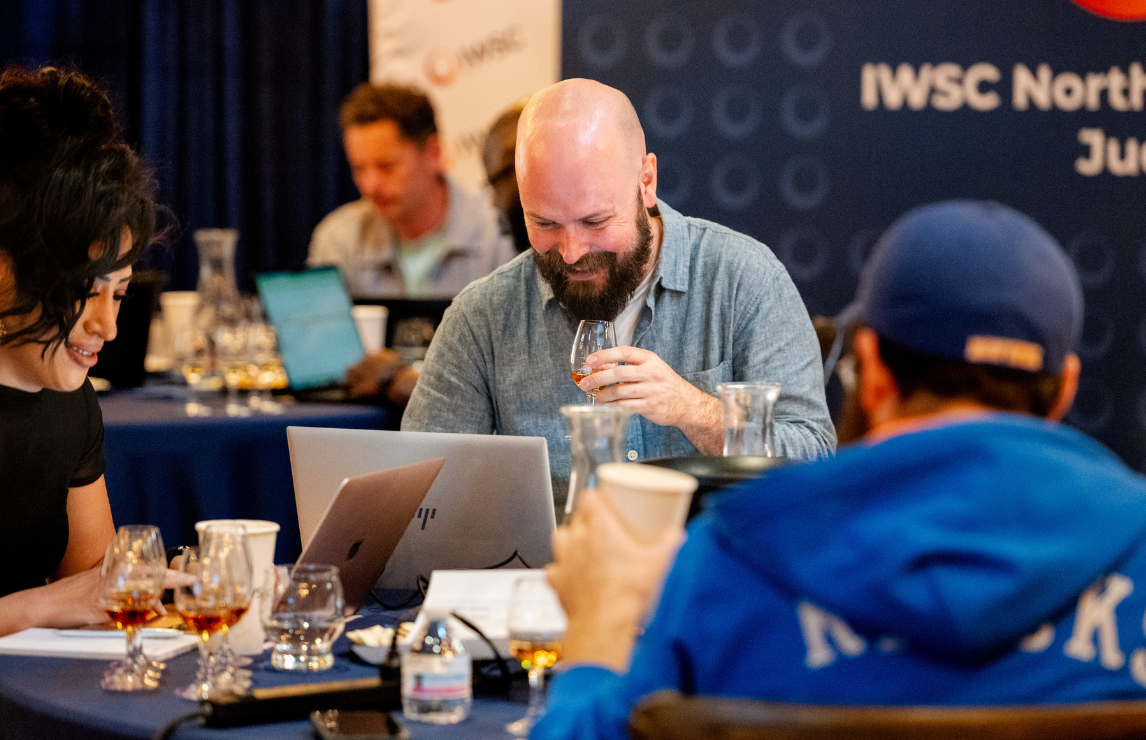
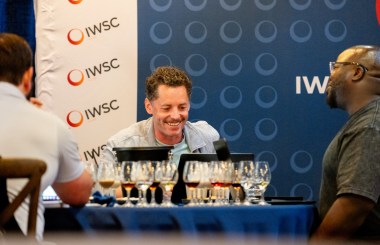
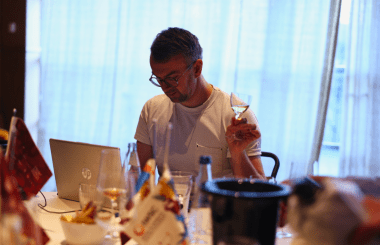
Last week, the IWSC returned to Kentucky for the third year in a row, bringing together an international panel of spirits experts to assess the very best of North American spirits and RTDs. While Whiskey remains at the heart of the judging, this year’s competition spanned a much broader spectrum of categories, including gin, vodka, rum and ready-to-drink products.
Overseen by IWSC Spirits Judging Committee member Dawn Davies MW, the judging panel included bartender, author and podcast host Tristan Stephenson, Co-founder of The Heart Cut Georgie Bell, Journalist Brad Japhe, Founder of Flavor Camp Reece Sims, Angel's Envy Master Distiller Owen Martin, Founder of Hood Sommelier Jack Beguedou, Cocktail Strategy Manager at Total Wine & More Molly Horn, and guest judges Ariel Jahn and Andrew Pope.
Across four days of tasting, the judges encountered a remarkable breadth of styles and producers. The results featured medal-winning spirits from major global names through to small craft distilleries, demonstrating that exceptional quality can be found across every level of production. While Kentucky remained strongly represented, standout performances came from producers across the United States and wider North America, highlighting the increasingly diverse nature of the region’s spirits landscape.
American whiskey categories once again delivered some of the strongest performances of the judging. Bourbon accounted for nearly half of all medal-winning spirits assessed, with judges praising the depth of quality and stylistic variety on show.
“One of the straight bourbon sets had three golds in a row,” commented Angel's Envy Master Distiller Owen Martin. “The quality level was consistently high.”
Particular praise was reserved for single cask bourbons. Flavor Camp Founder Reece Sims described the category as “the best flight of the day,” adding: “I had high expectations, as you would hope that single cask picks represent great quality whiskey, and this flight in particular didn’t disappoint.”
The bottle-in-bond category also impressed the panel. The Heart Cut Co-founder Georgie Bell highlighted the diversity within the style, noting that the strongest examples delivered nuance and restraint. “The flavours came through really well and it was great to explore different nuances within the category. The best whiskies were the ones that played into the subtlety of flavour rather than being overly dominant on wood.”
When discussing the qualities shared by the highest-scoring whiskeys, balance emerged as a recurring theme. Bell pointed to “alcohol in balance with flavour and wood. All in harmony together, rather than one being too dominant.” Martin similarly praised examples that combined “fruity ester character balanced by barrel-driven caramels and vanillas.”
For Tristan Stephenson, proof management was another defining factor. “Balancing proof and spirit character is so important,” he explained. “Stronger isn’t always better. The best producers match proof to the spirit.”
While whiskey categories remained dominant, some of the most exciting conversations amongst the judges centred around rum. Included for the first time at a US-based IWSC judging, the category produced some of the competition’s most memorable spirits.
“The rum flight was probably the most exciting and versatile flight of the day,” said Reece Sims. “Most surprisingly, the majority of them were produced in the USA, which is exciting to see a country being able to produce great molasses- and agricole-driven products that could stand up to Caribbean classics.”
Cocktail Strategy Manager at Total Wine & More Molly Horn shared a similar view, highlighting both the quality and creativity on display. “The rum flight was very exciting, especially as it was clear that distillers were taking risks and really breaking out of the mould to great success.”
The judges noted that innovation across North American spirits continues to accelerate, particularly amongst producers willing to challenge category expectations. Horn added that these more unconventional products represent exciting opportunities for the trade, although success requires clear communication with consumers. “If you're going to stand out in some of these pretty tried-and-tested categories, you have to be prepared to market accordingly and do a lot of liquid-to-lips demonstrations on the retail side.”
Innovation was equally evident in finished whiskey styles and RTDs. Stephenson highlighted several finished bourbons as standout examples of how maturation techniques can add complexity when executed thoughtfully. “A few of the finished bourbons were very well done,” he noted, “including perhaps the best whiskey of the day."
Meanwhile, the strongest RTDs demonstrated increasing sophistication, moving well beyond simple refreshment. According to Stephenson, the medal-winning examples stood out for their “clarity of flavour, intensity, mouthfeel, complexity and finish.”
Across all categories, the judges agreed that the top-scoring spirits shared a common ability to surprise and engage.
Journalist Brad Japhe described the strongest entries as displaying “complexity and sophistication on the palate; these are spirits that take you on a journey and perhaps smash our expectations of what a style can be.”
For Sims, memorability ultimately separated the good from the exceptional. “The top-scoring spirits were well-crafted and balanced at the baseline, but then there was a distinctive tasting note that would stand out and make it memorable. From sweet rubber tyres to tonka bean to banana bread, each of the highest-scoring products left something to be remembered by.”
The judging also reinforced a broader trend emerging across North America. While American whiskey remains a dominant force, standout performances from rum, gin, vodka, RTDs and producers across the continent demonstrate an increasingly diverse and confident spirits industry. Quality is no longer confined to a handful of categories or regions; it is emerging across styles, production methods and geographies.
Alongside the judging itself, producers had the opportunity to engage directly with the panel throughout the week, as judges visited several of Kentucky’s most iconic distilleries, gaining further insight into the innovation and craftsmanship driving the region forward. Thank you to Heaven Hill, Angel's Envy, Jim B. Beam Distilling, Maker's Mark and Total Wine for hosting the team.
The results of the IWSC North American Spirits & RTD Judging will be announced on Friday 12 June, keep an eye on our channels to find out who came out on top.
Keep up-to-date
Subscribe to receive email updates from IWSC, including newsletters, information about competitions, events, deadlines and awards.